


Scaling
Efficacy Before Scale
To invest in and grow promising organizations and programs in a way that promotes efficacy prior to significant scaling and expansion, there are three pathways to follow: piloting, testing, and iterating.

To invest in and grow promising organizations and programs in a way that promotes efficacy prior to significant scaling and expansion, there are three pathways to follow: piloting, testing, and iterating.

Building better relationships between funders and nonprofits, and investing in capacity, will mean more resilient organizations and more impact.

Corporate sustainability programs have grown dramatically, but biases have crippled their effectiveness. We identify three critical steps for reform.

Selfless behavior of key individuals is critical to the development of local institutions for self-governance.

Health-care innovation will be needed to put the brakes on the current pandemic and prepare the world for the next one. But how are accelerator programs adapting their activities to pandemic conditions?

For the past 30 years, celebrated academics and business leaders have promoted the idea that companies often profit by addressing social and environmental problems. Although these proposals have been hailed as promising breakthroughs, they are unscientific and counterproductive.
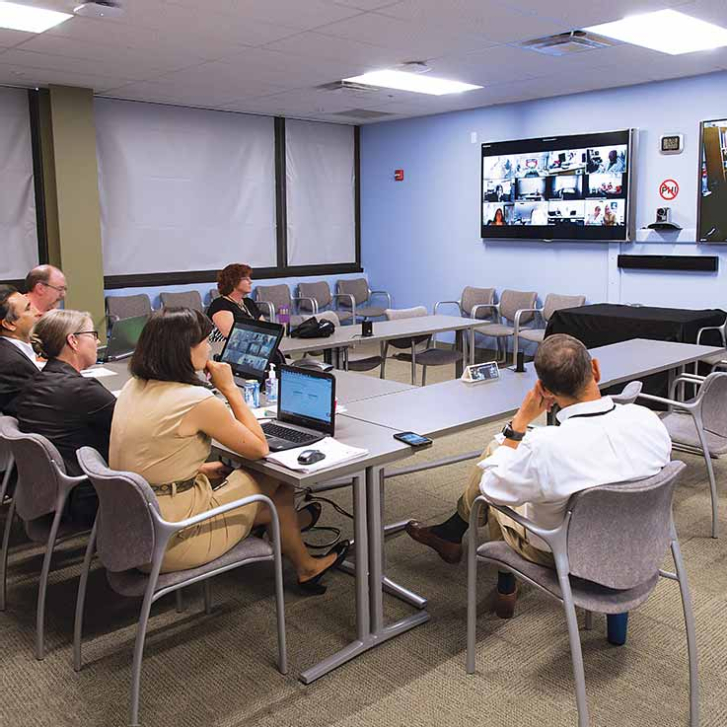
Project ECHO developed a revolutionary model for helping doctors and clinicians in New Mexico to treat hepatitis C. It spread around the world to address numerous chronic diseases. With the COVID-19 pandemic, it found its moment.

When half of the staff at Leading Edge reported feeling a lack of psychological safety at work, the problem wasn’t bullying but the promotion of a workplace culture that only allowed positivity.

Foundations helping nonprofits build their capacity to execute sustained collaborations are catalyzing an important shift on the nonprofit landscape and having an outsized impact on the ground.

Nonprofit boards still have a long way to go in engaging their board members to improve fundraising.